Health Technology Cluster iVita and its international partners are launching the KIDDIN project to develop and deploy AI-powered digital solutions for paediatric and maternal healthcare.
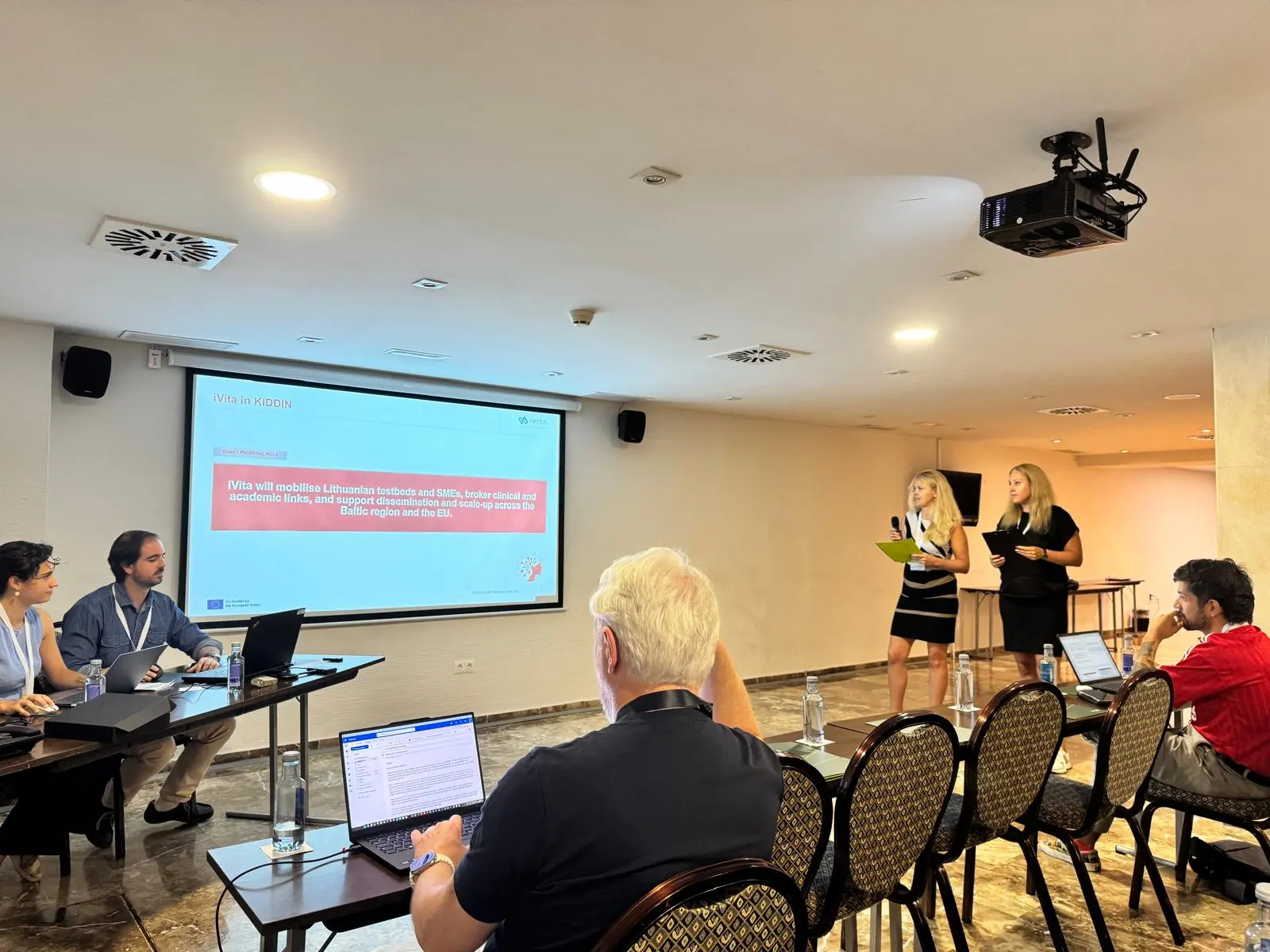
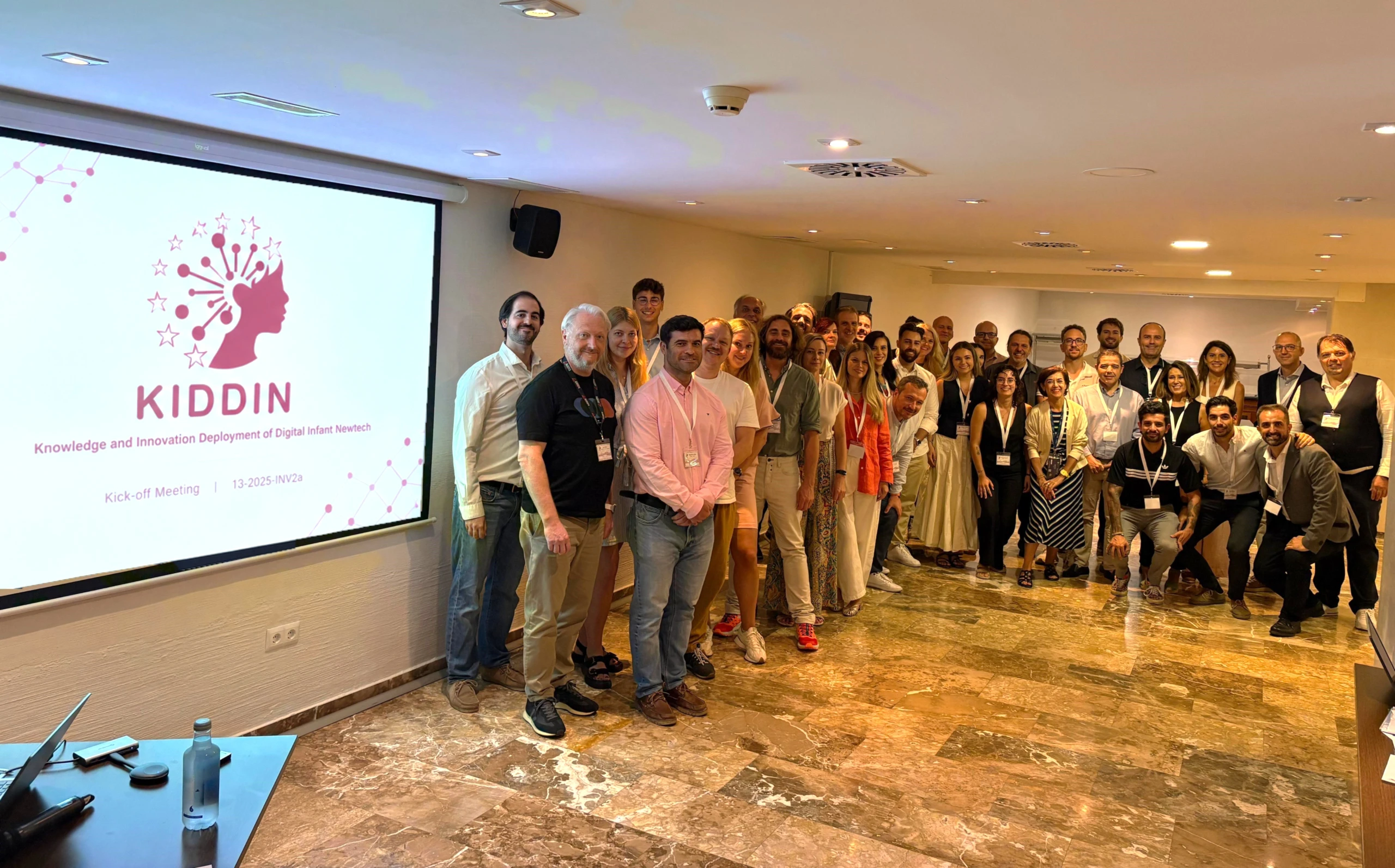
The project’s kick-off meeting took place in Córdoba, Spain.
Funded under the European Union’s Interregional Innovation Investments (I3) Instrument, KIDDIN brings together 18 organisations from 6 European countries: Spain, Bulgaria, Greece, Croatia, Romania and Lithuania. Companies, researchers, healthcare organisations and innovation ecosystem partners will work together to help promising technologies move from development and testing to wider use in healthcare.
Seven pilot solutions for paediatric and maternal health
The project will focus on seven technological solutions. These will cover predicting preeclampsia risk during pregnancy, using AI to distinguish between bacterial and viral infections in children, monitoring breathing through sensors embedded in smart textiles, identifying links between epileptic seizures and changes in cardiac activity, detecting early signs of atypical neurological development in infants, and using medical imaging and 3D models for surgical planning.
The solutions will be developed and evaluated in collaboration with clinical partners. A shared AI platform will also help integrate data from different solutions and ensure their interoperability.
KIDDIN partners will establish an interregional Smart Specialisation Hub connecting regional expertise, infrastructure and business development opportunities. This collaborative network will help companies find partners, test technologies and prepare to deploy their solutions across European markets.
iVita’s role: helping innovations reach the market
iVita will lead project activities focused on market readiness, commercialisation strategies and investment readiness. Together with its partners, the cluster will help technology developers create business models and go-to-market plans, identify certification and reimbursement pathways, and prepare for further growth.
The cluster will also engage Lithuanian small and medium-sized enterprises and testing infrastructure partners, strengthening their links with researchers and healthcare organisations. This will create more opportunities for Lithuanian companies to participate in international activities and scale their solutions across the Baltic region and other European countries.
During the meeting in Córdoba, partners presented their expertise and responsibilities, discussed planned activities and agreed on the first steps of their work together.